


Melbourne
03 8611 2600
Level 9, 461 Bourke Street, Melbourne VIC 3000

Written by James Woods, Managing Director


Written by James Woods, Managing Director


Consumer complaints about debt recovery are regularly among the top kind reported to government and legal agencies. These agencies have reported that fake debt collectors from fake debt collection agencies use several deceptive and abusive methods to make their customers pay up, including repeated calls, verbal harangues, and threats to reveal private debt information. These scams target individuals and businesses alike - if a scam mimics a real invoice, our commercial debt collection team can confirm and chase genuine business debts.
If someone contacts you claiming to be a debt collector, law enforcement officer, attorney, or process server, and you are told you owe money on a payday loan, credit card balance or some other form of consumer debt, and they demand immediate payment of hundreds or thousands of dollars, threatening lawsuits or arrest if you do not comply, be very careful, it could be finishing. Not sure if the contact is genuine? Here's what to do when debt collectors contact you. If a genuine debt sits behind the contact, our personal debt collection team can help resolve it properly.
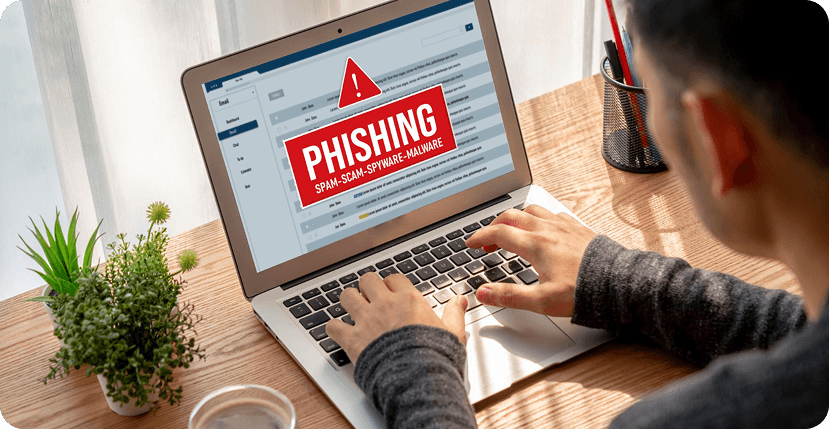
Phishing is a type of online scam in which consumers are sent an email that appears to be from a well-known source – such as their internet service provider, bank, or debt collection agency. Consumers are asked to provide personal identifying information. Using this information, scammers open new accounts or invade consumers’ existing accounts. To avoid phishing scams, consumers can follow several tips, such as not responding to emails or pop-ups that ask for personal or financial information.
There is currently a rise in debt recovery phishing scams, and you may become the victim of one. Always do your due diligence, when you receive an email from a debt collection agency, as they might be legitimate but they also, might not be. A real notice is not a scam - understand why you shouldn't ignore a debt collection agency if you're contacted about a genuine debt. However, it is best to follow the privacy policy and seek support from the legal and compliance departments of the collection agency, if you are sent an email.
If you are targeted by these debt recovery phishing scams, legal compliance and privacy policies can help you but if you want to avoid it altogether, take care of the following points:
If you click on a random link, you might end up on a site hosting malware, or you may be scammed. It’s essential to consider the source when the link leads to a login page. If you do not know the person sending the email, do not click on any links. Although many banks do not use email as a form of communication, you’re able to receive an email message from your bank. You’re very likely to end up with a fake bank login if you clicked a link from an unrelated website. It is always best to skip the link and log in directly to the service, as you usually would. The same logic applies to phone calls - verify any caller against a legitimate provider like our debt collectors Australia team.
When you’re eyeballing a website to verify its legitimacy, the address bar is a precious resource. Modern browsers are moving away from a heavy focus on the address bar. The search combined with the address bar is at least what it is now. Be aware of attempts to obscure the actual domain portion of the URL—the part that comes before the final .com, .net, .org. For example, watch out for facebook.com and faecbook.com; they look similar but are not.
In the early days of the World Wide Web, the Hypertext Transfer Protocol (HTTP) communications system served as the primary means of communication on the internet. The internet wasn’t secure back then because it was unknown what others might do. The bad guys are here, and the only sensible way to connect is through the secure HTTPS protocol. So look for a lock icon browser when HTTPS pages are present and never prefer to visit any site that does not have a lock icon.
Many fake websites are poorly implemented, making it impossible to fool anyone who pays attention. In case the bad appearance was a fluke, you can try pressing Ctrl+F5 to reload the page entirely after connecting to the site and see if the problem still exists or not. However, if the situation still seems strange, stay away from it and immediately try contacting the debt collection agency looking for your case through any other means.
eCollect is one of those few debt collection agencies aware of the phishing scams people face in the debt recovery process, which is why their privacy policies are developed so that the scams are reduced to a minimum. The legal compliance department is ready to assist if you have any problems. They are ISO-certified debt collection professionals with an Australian Financial Complaints Authority (AFCA) credit licence. As a result, eCollect is a trusted choice for businesses and individuals seeking reliable debt recovery services that can help recover outstanding debts without creating additional complications.
Managing Director
James has operated businesses since his late teens including windsurfer hire (1977 – 1981), yacht charter (1990 – 2001), motor accident repairs (1984 – 1989) and debt recovery (2002 to the present). He holds a B.A. and LL.B. from Monash University and was admitted as a lawyer in 1983. He is also a Graduate of the Australian Institute of Company Directors.


We make debt recovery simple, fast, and results-driven. Upload your files, track progress in real-time, and only pay when we collect.


From proactive receivables management through to complex legal recoveries, the eCollect Group provides an integrated, transparent, and results-driven solution — powered by technology, guided by expertise, and delivered by people who treat your business like their own.
Level 9, 461 Bourke Street, Melbourne VIC 3000
Level 6, 115 Pitt Street Sydney NSW 2000
Level 38/71 Eagle Street Brisbane QLD 4000
Spaces, level 7, 50 Albert St, Auckland CBD, Auckland 1010 NEW ZEALAND


Written by James Woods, Managing Director
Written by James Woods, Managing Director
Consumer complaints about debt recovery are regularly among the top kind reported to government and legal agencies. These agencies have reported that fake debt collectors from fake debt collection agencies use several deceptive and abusive methods to make their customers pay up, including repeated calls, verbal harangues, and threats to reveal private debt information. These scams target individuals and businesses alike - if a scam mimics a real invoice, our commercial debt collection team can confirm and chase genuine business debts.
If someone contacts you claiming to be a debt collector, law enforcement officer, attorney, or process server, and you are told you owe money on a payday loan, credit card balance or some other form of consumer debt, and they demand immediate payment of hundreds or thousands of dollars, threatening lawsuits or arrest if you do not comply, be very careful, it could be finishing. Not sure if the contact is genuine? Here's what to do when debt collectors contact you. If a genuine debt sits behind the contact, our personal debt collection team can help resolve it properly.
Phishing is a type of online scam in which consumers are sent an email that appears to be from a well-known source – such as their internet service provider, bank, or debt collection agency. Consumers are asked to provide personal identifying information. Using this information, scammers open new accounts or invade consumers’ existing accounts. To avoid phishing scams, consumers can follow several tips, such as not responding to emails or pop-ups that ask for personal or financial information.
There is currently a rise in debt recovery phishing scams, and you may become the victim of one. Always do your due diligence, when you receive an email from a debt collection agency, as they might be legitimate but they also, might not be. A real notice is not a scam - understand why you shouldn't ignore a debt collection agency if you're contacted about a genuine debt. However, it is best to follow the privacy policy and seek support from the legal and compliance departments of the collection agency, if you are sent an email.
If you are targeted by these debt recovery phishing scams, legal compliance and privacy policies can help you but if you want to avoid it altogether, take care of the following points:
If you click on a random link, you might end up on a site hosting malware, or you may be scammed. It’s essential to consider the source when the link leads to a login page. If you do not know the person sending the email, do not click on any links. Although many banks do not use email as a form of communication, you’re able to receive an email message from your bank. You’re very likely to end up with a fake bank login if you clicked a link from an unrelated website. It is always best to skip the link and log in directly to the service, as you usually would. The same logic applies to phone calls - verify any caller against a legitimate provider like our debt collectors Australia team.
When you’re eyeballing a website to verify its legitimacy, the address bar is a precious resource. Modern browsers are moving away from a heavy focus on the address bar. The search combined with the address bar is at least what it is now. Be aware of attempts to obscure the actual domain portion of the URL—the part that comes before the final .com, .net, .org. For example, watch out for facebook.com and faecbook.com; they look similar but are not.
In the early days of the World Wide Web, the Hypertext Transfer Protocol (HTTP) communications system served as the primary means of communication on the internet. The internet wasn’t secure back then because it was unknown what others might do. The bad guys are here, and the only sensible way to connect is through the secure HTTPS protocol. So look for a lock icon browser when HTTPS pages are present and never prefer to visit any site that does not have a lock icon.
Many fake websites are poorly implemented, making it impossible to fool anyone who pays attention. In case the bad appearance was a fluke, you can try pressing Ctrl+F5 to reload the page entirely after connecting to the site and see if the problem still exists or not. However, if the situation still seems strange, stay away from it and immediately try contacting the debt collection agency looking for your case through any other means.
eCollect is one of those few debt collection agencies aware of the phishing scams people face in the debt recovery process, which is why their privacy policies are developed so that the scams are reduced to a minimum. The legal compliance department is ready to assist if you have any problems. They are ISO-certified debt collection professionals with an Australian Financial Complaints Authority (AFCA) credit licence. As a result, eCollect is a trusted choice for businesses and individuals seeking reliable debt recovery services that can help recover outstanding debts without creating additional complications.
Managing Director
James has operated businesses since his late teens including windsurfer hire (1977 – 1981), yacht charter (1990 – 2001), motor accident repairs (1984 – 1989) and debt recovery (2002 to the present). He holds a B.A. and LL.B. from Monash University and was admitted as a lawyer in 1983. He is also a Graduate of the Australian Institute of Company Directors.
We make debt recovery simple, fast, and results-driven. Upload your files, track progress in real-time, and only pay when we collect.
From proactive receivables management through to complex legal recoveries, the eCollect Group provides an integrated, transparent, and results-driven solution — powered by technology, guided by expertise, and delivered by people who treat your business like their own.
Level 9, 461 Bourke Street, Melbourne VIC 3000
Level 6, 115 Pitt Street Sydney NSW 2000
Level 38/71 Eagle Street Brisbane QLD 4000
Spaces, level 7, 50 Albert St, Auckland CBD, Auckland 1010 NEW ZEALAND